Lancaster County Dog Registration Information
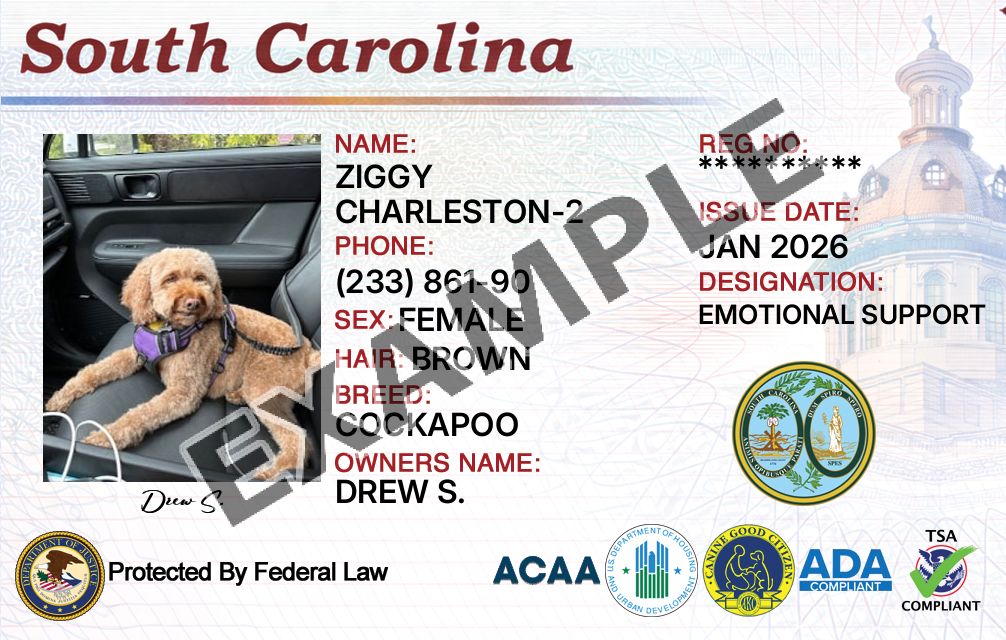
Service Dogs and Emotional Support Animals in Lancaster, South Carolina
If you’re searching where do I register my dog in Lancaster County, South Carolina for my service dog or emotional support dog, the most important thing to know is this: there isn’t a single, universal “service dog registry” or “ESA registration” run by Lancaster County. Instead, most requirements that look like “registration” are really about local dog rules (like rabies vaccination compliance, nuisance/leash ordinances, and any county or city pet permitting) and about separate federal disability laws that define what a service dog or an emotional support animal is.
This page explains where to register a dog in Lancaster County, South Carolina by pointing you to official local offices involved with animal services, animal control, and rabies enforcement, and then clarifies the difference between a dog license in Lancaster County, South Carolina and the legal status of service dogs and emotional support animals (ESAs).
Where to Register or License Your Dog in Lancaster County, South Carolina
Because dog licensing and enforcement are commonly handled locally, residents typically contact county animal services and law enforcement animal control for guidance on animal control dog license Lancaster County, South Carolina questions, rabies compliance, stray/dangerous animal reporting, and related ordinances. Below are example official offices that Lancaster County residents commonly use.
Lancaster County Animal Shelter
The county shelter also works closely with animal control and is a practical starting point when you’re trying to confirm what the county considers current rabies compliance, local enforcement expectations, and what paperwork you should keep for your dog. (The shelter is listed as a separate department from animal control.)
Lancaster County Sheriff’s Office (Animal Control Contact / Dispatch)
The Sheriff’s Office contacts page includes information for reaching animal control by phone. This is often the most direct route for enforcement-related questions, including what happens if an animal is unrestrained, dangerous, or involved in a bite investigation.
Lancaster County Administration Building (County Directory / Animal Control Directory Listing)
If you’re not sure which department handles your question (rabies compliance, shelter issues, enforcement, ordinances), the county administration contact is a reliable starting point for routing.
Overview of Dog Licensing in Lancaster County, South Carolina
What “licensing” usually means in South Carolina
South Carolina does not operate one single statewide “dog license” program for every county in the same way. In many parts of the state, the compliance system that most residents interact with looks like:
- Rabies vaccination proof from a licensed veterinarian, including a vaccination certificate and a rabies tag.
- Local ordinances (leash, nuisance, dangerous dogs, cruelty reporting, stray pickup, and bite investigations) enforced locally.
- In some counties/cities, an additional dog license or local permit fee may exist, and requirements can vary by jurisdiction.
For anyone searching for a dog license in Lancaster County, South Carolina, the best first step is confirming what Lancaster County currently requires and how it’s enforced—especially for rabies compliance and identification expectations—by contacting the official offices listed above.
Rabies vaccination is not optional
In South Carolina, rabies control is a major public health issue. Veterinarians issue a rabies vaccination certificate and a matching serially numbered tag when a dog is vaccinated. Keeping that documentation current is often the most important “registration-like” requirement for routine ownership, boarding, grooming, travel, and in the event of a bite incident or stray pickup.
Why service dogs and ESAs still need local compliance
Even if your dog is a service dog or an emotional support animal, local rules can still apply. Being a working service animal does not automatically replace public health rules like rabies vaccination requirements, nor does it eliminate basic control expectations (for example, an animal must not be dangerous or out of control).
How Dog Licensing Works Locally in Lancaster County, South Carolina
Start with the jurisdiction you live in
When people ask where do I register my dog in Lancaster County, South Carolina, the confusing part is that “Lancaster County” can include:
- Unincorporated county areas (county rules and enforcement)
- Municipal/city limits (city ordinances may add rules or processes)
- Special situations (new residents, rescues/adoptions, bites/strays)
That’s why the best answers are almost always local: call the county animal shelter and/or the Sheriff’s Office animal control contact and ask what applies to your exact address.
Common steps you may be asked to complete
- Get your dog vaccinated for rabies through a licensed veterinarian and keep the certificate.
- Keep the rabies tag information associated with your dog (many shelters check for a tag or ID when a dog is found).
- Confirm whether Lancaster County or your municipality requires a local license or annual renewal beyond rabies proof.
- Ask what to do if you move (changes in city/county lines can change requirements).
- Ask what documentation is required if your dog is a service animal or if you’re requesting an ESA accommodation in housing.
Animal control, shelter, and rabies enforcement roles
Lancaster County’s Animal Shelter and the Sheriff’s Office animal control contact both matter for residents asking about animal control dog license Lancaster County, South Carolina topics. The shelter may help with practical intake/reclaim/adoption procedures and guidance, while animal control handles enforcement-related calls (strays, dangerous animals, welfare checks, and incidents). If you need a definitive answer about what’s required “to be legal,” animal control is often the best place to confirm current enforcement expectations.
Service Dog Laws in Lancaster County, South Carolina
A service dog is defined by training and disability-related tasks
Under the Americans with Disabilities Act (ADA), a service animal is a dog that is individually trained to do work or perform tasks directly related to a person’s disability. The key is task-trained work (for example, guiding, alerting, retrieving, interrupting a medical episode, or other trained disability-mitigating tasks).
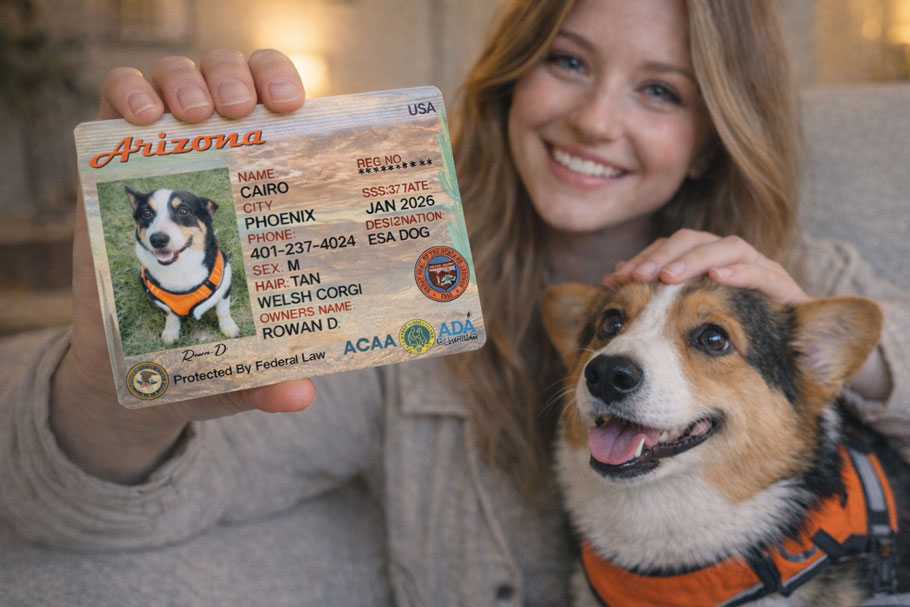
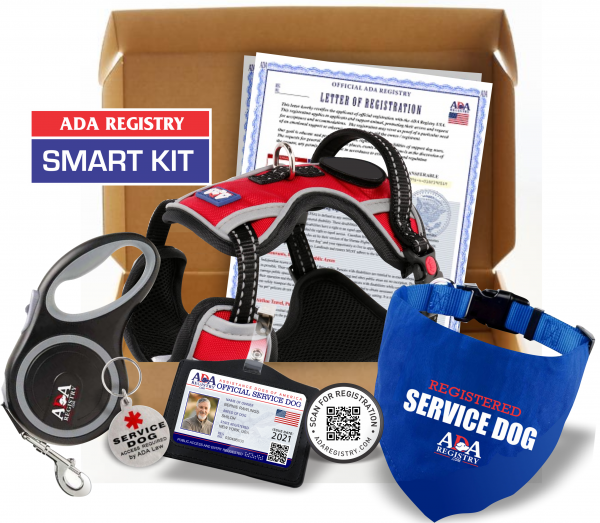
There is no official ADA “registration” required
For day-to-day public access (stores, restaurants, most public places), the ADA does not require a special government-issued license card, a vest, or an online registration. Staff are generally limited to specific questions about whether the animal is required because of a disability and what work or task the dog has been trained to perform.
Service dogs still must follow local health and control rules
Even though you don’t need to “register your service dog” with a third-party registry, you should still maintain rabies vaccination proof and comply with local animal control expectations. In other words: a dog can be a service dog under federal law and still need to meet local public health requirements.
Emotional Support Animal Rules in Lancaster County, South Carolina
ESAs are mainly a housing concept (not a public-access pass)
An emotional support animal (ESA) generally refers to an animal that provides emotional support that alleviates one or more effects of a person’s disability. ESAs are most commonly addressed under federal housing rules (Fair Housing Act reasonable accommodation concepts), not the ADA public-access rules.
An ESA is not the same as a service dog
ESAs do not need to be trained to perform specific tasks to be considered an assistance animal in housing contexts. However, that lack of task-training is also why ESAs generally do not receive the same public-access rights as ADA service dogs in places like restaurants and retail stores.
Documentation is about your need in housing, not “registration”
If you’re seeking an ESA accommodation with a housing provider, you may be asked for reliable documentation that you have a disability-related need for the animal. That is different from buying a certificate online. If you’re unsure what your landlord can ask for, you can start by gathering your clinical documentation (as appropriate) and confirming local pet/rabies compliance so you’re prepared for both housing and county requirements.
Frequently Asked Questions
For ADA public access, service dogs are not required to be registered in a special registry. What you do need to do locally is keep your dog compliant with public health requirements (especially rabies vaccination) and follow applicable animal control rules. If you want the most accurate local guidance on any county-specific licensing, contact the official Lancaster County offices listed above.
Start by confirming your address is in unincorporated Lancaster County or inside a city/town jurisdiction. Then call:
- Lancaster County Animal Shelter for guidance and local procedures
- Lancaster County Sheriff’s Office for animal control enforcement questions
Not necessarily. A rabies tag is proof tied to rabies vaccination. Some areas also have a separate local “license” (often annual) that may have a fee and a separate tag. Because programs can differ by jurisdiction, the best way to confirm whether a separate dog license in Lancaster County, South Carolina is required at your address is to contact local animal services/animal control.
Typically, no. A service dog is generally defined by disability-related task training and is covered by ADA public-access rules. An emotional support animal is generally addressed in housing contexts (reasonable accommodations) and does not automatically have the same access to restaurants, stores, and other public places.
Call Lancaster County’s animal control contact through the Sheriff’s Office for situations involving strays, dangerous animals, or enforcement-related concerns. For reclaiming a pet or questions about shelter procedures, the Lancaster County Animal Shelter is also a key resource.
Register A Dog In Other South Carolina Counties
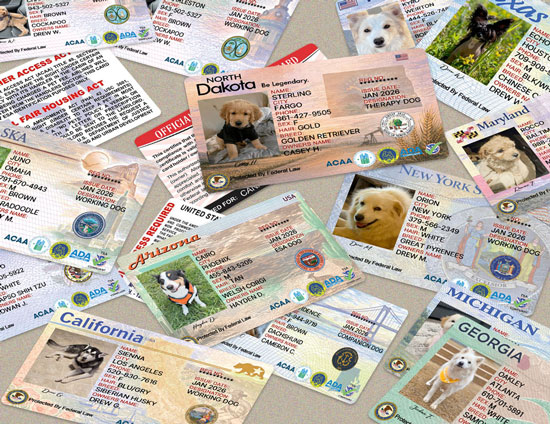
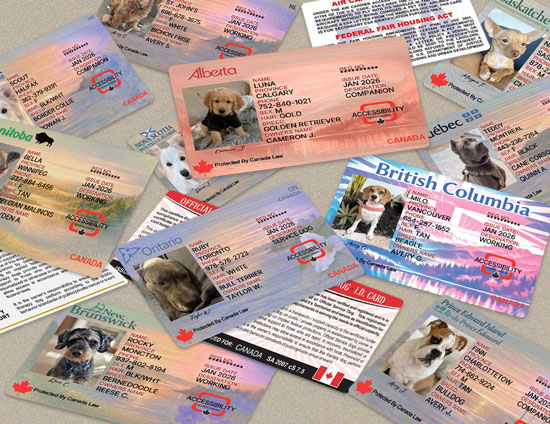
Select your county below to get started with your dog’s ID card. Requirements and license designs may vary by county, so choose your location to see the correct options and complete your pup’s registration.
- Abbeville County Dog Registration
- Aiken County Dog Registration
- Allendale County Dog Registration
- Anderson County Dog Registration
- Bamberg County Dog Registration
- Barnwell County Dog Registration
- Beaufort County Dog Registration
- Berkeley County Dog Registration
- Calhoun County Dog Registration
- Charleston County Dog Registration
- Cherokee County Dog Registration
- Chester County Dog Registration
- Chesterfield County Dog Registration
- Clarendon County Dog Registration
- Colleton County Dog Registration
- Darlington County Dog Registration
- Dillon County Dog Registration
- Dorchester County Dog Registration
- Edgefield County Dog Registration
- Fairfield County Dog Registration
- Florence County Dog Registration
- Georgetown County Dog Registration
- Greenville County Dog Registration
- Greenwood County Dog Registration
- Hampton County Dog Registration
- Horry County Dog Registration
- Jasper County Dog Registration
- Kershaw County Dog Registration
- Laurens County Dog Registration
- Lee County Dog Registration
- Lexington County Dog Registration
- Marion County Dog Registration
- Marlboro County Dog Registration
- McCormick County Dog Registration
- Newberry County Dog Registration
- Oconee County Dog Registration
- Orangeburg County Dog Registration
- Pickens County Dog Registration
- Richland County Dog Registration
- Saluda County Dog Registration
- Spartanburg County Dog Registration
- Sumter County Dog Registration
- Union County Dog Registration
- Williamsburg County Dog Registration
- York County Dog Registration